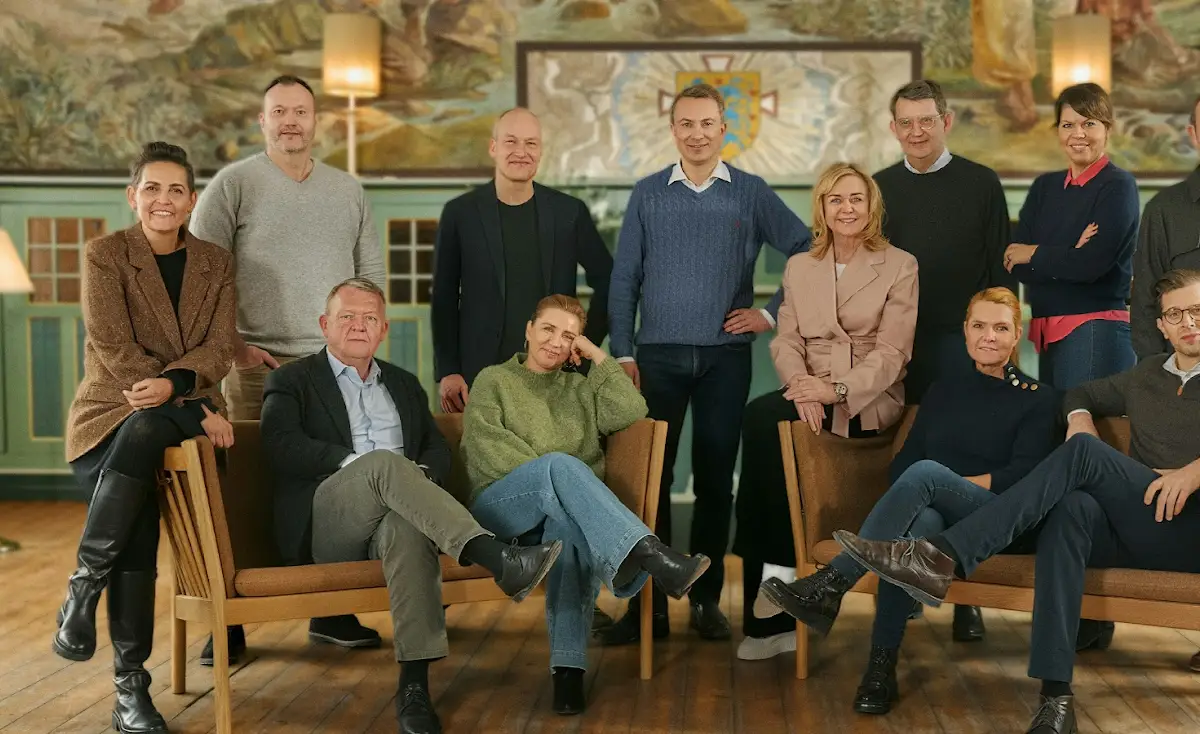
'Højskolen' on TV 2: A Groundbreaking New Era for Political Debate in Denmark
In a political landscape often characterized by soundbites and adversarial exchanges, Denmark's TV 2 is poised to revolutionise the way citizens engage with their leaders. A brand-new program, simply titled 'Højskolen', promises to peel back the layers of traditional political debate, offering an unprecedented look into the minds and interactions of the nation's key decision-makers. This innovative format, bringing together all 12 party leaders for an immersive 24-hour experience, is generating considerable buzz and is set to reshape voter perceptions ahead of the Folketing election on March 24, 2026.
For anyone feeling overwhelmed by the conventional, often rigid, structure of political discussions, Højskolen Tv2 offers a refreshing alternative. It’s an ambitious experiment designed to foster deeper understanding, genuine dialogue, and perhaps, even a glimmer of consensus among figures who usually stand on opposing sides. As the premiere date of Wednesday, March 4, approaches, anticipation is building for what could be a pivotal moment in Danish political broadcasting.
A Fresh Take on Political Discourse: What is 'Højskolen'?
The premise of 'Højskolen' on TV 2 is as simple as it is audacious: "24 timer. 12 partiledere. En samtale om Danmark." (24 hours. 12 party leaders. A conversation about Denmark). This new program takes the leaders out of the sterile studio environment and places them within the unique, community-centric walls of Ryslinge Højskole. For a full day, these influential figures will live, eat, and discuss together, away from the immediate pressures of daily politics and campaign trails.
Unlike the typical televised debates that often resemble gladiatorial contests, 'Højskolen' aims for something profoundly different. The extended timeframe and informal setting are deliberate choices, designed to encourage a more organic, less confrontational form of communication. Viewers are invited to witness not just policy points being argued, but personalities interacting, compromises being explored, and perhaps even unexpected common ground being discovered. It's an unprecedented opportunity to observe the dynamics between those who shape Denmark's future, stripped of the usual political theatre.
Beyond the Podium: The Højskole Philosophy in Action
Central to understanding the potential impact of this program is an appreciation for the 'Højskole' (Folk High School) concept itself. Originating in Denmark, these residential schools are renowned for their non-formal adult education approach, focusing on personal development, community building, and democratic engagement through dialogue, lectures, and shared experiences. They are places where individuals come together to learn, discuss, and grow in an environment free from exams or formal qualifications.
By situating the political leaders within Ryslinge Højskole, Højskolen Tv2 isn't just picking a scenic backdrop; it's invoking a powerful cultural institution. The expectation is that the inherent philosophy of the Højskole – one that champions respectful debate, active listening, and collective reflection – will permeate the discussions. Imagine the leaders engaging in less structured conversations over meals, during breaks, or even in casual group activities. This environment could compel them to drop their guards, revealing the more human, relatable aspects of their leadership and the deeper motivations behind their political stances. It's a bold attempt to bring the spirit of communal inquiry to the heart of national politics, offering a refreshing departure from the conventional, often divisive, political spectacle.
Why This Format Matters: A New Lens for Voters
The traditional political debate format, while having its place, often falls short in providing voters with a comprehensive understanding of their leaders. Soundbites dominate, complex issues are oversimplified, and the focus frequently shifts to rhetorical sparring rather than substantive discussion. Many voters express a sense of frustration, feeling that they don't truly get to know the individuals or their genuine intentions.
This is precisely where Højskolen on TV 2 steps in as a critical innovation. By providing a 24-hour window into the interactions of the 12 party leaders, the program offers a unique lens through which to evaluate their leadership qualities. It's an opportunity for voters to move beyond superficial impressions and gain deeper insights into how these leaders engage with differing opinions, handle pressure in a less formal setting, and articulate their visions for Denmark outside the rigid constraints of a televised studio debate.
Deciphering the Leaders: What to Look For
For viewers eager to make an informed decision at the upcoming Folketing election, 'Højskolen' provides an invaluable resource. Here are some practical tips on what to observe:
- Authenticity Over Rhetoric: Look for moments where leaders drop their political masks and engage in genuine, open dialogue. Are they truly listening, or just waiting for their turn to speak?
- Collaboration vs. Confrontation: Observe how leaders from different parties interact when forced into a shared, less formal space. Are they capable of finding common ground, or do entrenched positions prevail even in this environment?
- Beyond Policy: Pay attention to their underlying values, their temperament, and their ability to empathise. These less tangible qualities can reveal much about a leader's character.
- Handling Disagreement: How do they manage disagreements when the cameras aren't solely focused on a confrontational exchange? Do they seek understanding or merely dominance?
- Non-Verbal Cues: In a prolonged, less formal setting, body language and subtle interactions can reveal more than words alone. How do they behave when they believe they are not the primary focus?
This deep dive into the political psyche can significantly aid voters who are "in vildrede om hvordan du skal stemme" (at a loss about how to vote) and struggling with the traditional debate formats. The extended exposure offered by Højskolen Tv2 could be the key to understanding the nuances that shape the future of Danish politics.
The Road to Folketing Election 2026: 'Højskolen' as a Catalyst
The timing of 'Højskolen' on TV 2 is no coincidence. With the Folketing election scheduled for March 24, 2026, the program launches well in advance, yet close enough to influence public discourse significantly. This innovative format has the potential to act as a crucial catalyst, setting the tone for the upcoming campaign and reshaping the public's perception of the political leaders and their parties.
By presenting the leaders in a new light, 'Højskolen' could shift the focus of election discussions from superficial attacks to substantive dialogue. It might empower voters to demand more depth from future debates and challenge the media to adopt equally innovative approaches to political coverage. The program has the capacity to humanise politicians, making them more accessible and fostering a greater sense of connection between the electorate and their representatives. This could ultimately lead to a more engaged and informed citizenry as Denmark heads towards its next major democratic event.
Anticipating the Impact: Shifting Political Dynamics
The ripple effects of Højskolen Tv2 could extend far beyond the immediate viewing figures. For the party leaders themselves, participating in such an intimate and extended discussion might force a recalibration of their own strategies. Having experienced a different mode of political interaction, they might be more inclined to seek common ground or to articulate their positions with greater nuance in future campaigns. It could even inspire similar formats in other democratic nations grappling with voter apathy and dissatisfaction with traditional political discourse, paving the way for a more reflective and less combative approach to national debate.
Get Ready to Tune In: Premiere Details and How to Watch
The countdown has begun for this must-watch political event. 'Højskolen' premieres on TV 2 on Wednesday, March 4. This unique program promises to offer a fresh perspective on Danish politics, providing insights that traditional debates simply cannot. Ensure you mark your calendars to witness this groundbreaking experiment in political communication. For more detailed insights into the program's structure and its significance, you might find value in exploring resources like TV 2's 'Højskolen': 12 Leaders, 24 Hours for Election Insights. And for a direct reminder about the upcoming broadcast, check out Get Ready: 'Højskolen' Premiers March 4 with Denmark's Politicians.
Whether you're a seasoned political observer or someone looking for a more engaging way to understand the nation's leaders, 'Højskolen' on TV 2 offers an unparalleled opportunity. It's more than just a debate; it's an invitation to a conversation about the very soul of Denmark.
In conclusion, Højskolen Tv2 represents a bold and much-needed innovation in political broadcasting. By embracing the Danish Højskole tradition and creating an environment conducive to genuine dialogue, TV 2 is offering voters an invaluable tool for making informed decisions. This extended, unfiltered look at Denmark's 12 party leaders has the potential to not only redefine political debate but also to foster a more engaged, critical, and ultimately, more optimistic electorate as the nation approaches the Folketing election of 2026. Don't miss this opportunity to witness history in the making.